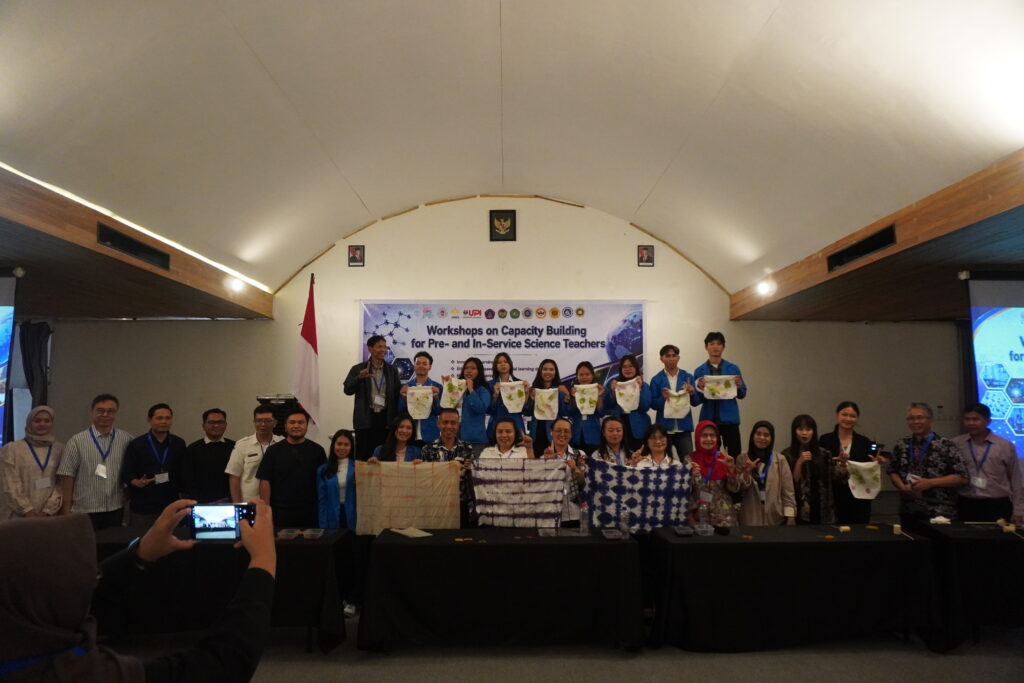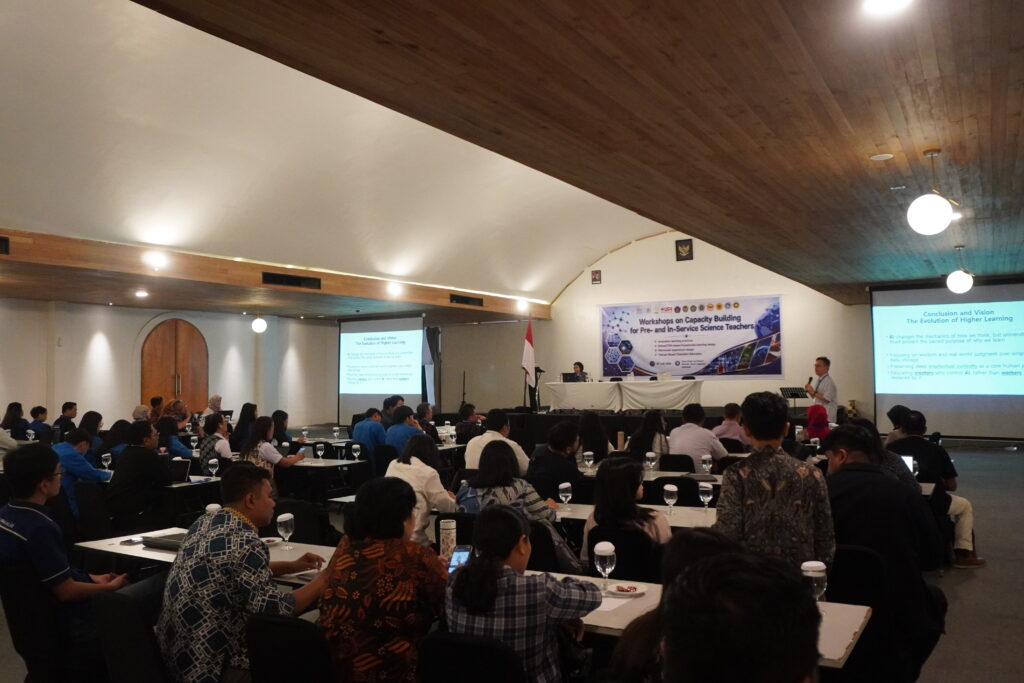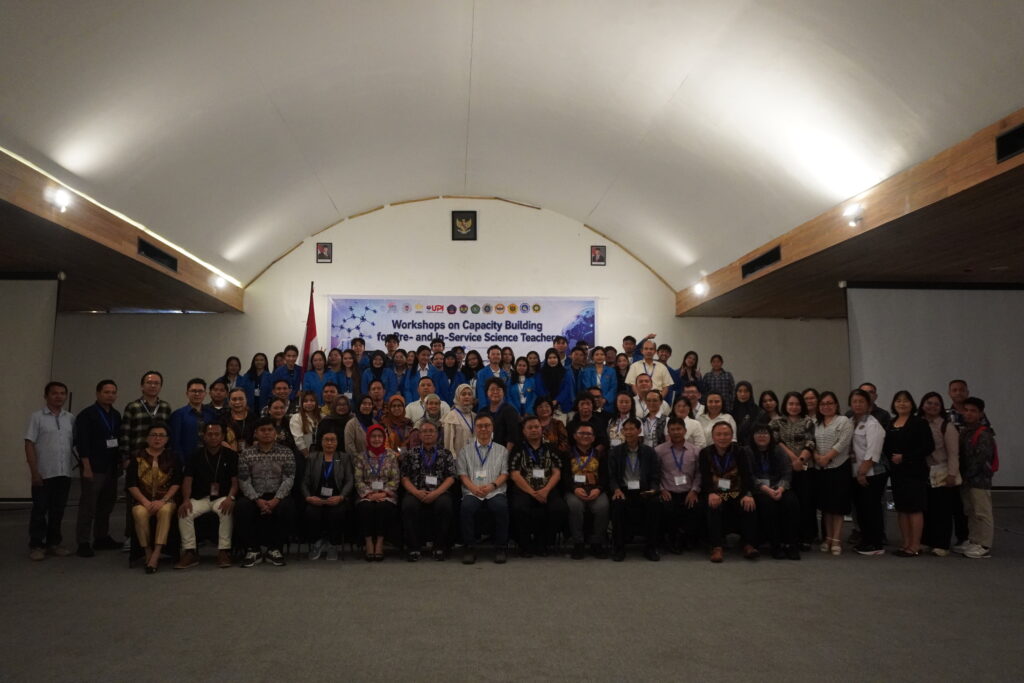
Tondano, 29 July 2026 — The Chemistry Department of Universitas Negeri Manado (UNIMA), with sponsorship from the Leading University Project for International Cooperation (LUPIC), successfully organized the Workshop on Capacity Building for Pre‑ and In‑Service Science Teachers. The event took place at the Ballroom of Yama Resort Tondano, bringing together university leaders, FMIPAK leadership, chemistry lecturers, chemistry students, and science teachers from across North Sulawesi.
The workshop forms part of UNIMA’s broader initiative to strengthen science education through international collaboration and professional development. Supported by LUPIC, the program featured expert speakers from partner universities in Indonesia and South Korea, offering global perspectives on modern science pedagogy and innovative teaching practices.
In his opening remarks, UNIMA leadership emphasized the importance of continuous professional development for science educators. They noted that empowering both pre‑service and in‑service teachers is essential for improving the quality of science instruction and ensuring that classrooms remain responsive to scientific advancements and technological change.
The workshop covered a range of strategic topics, including:
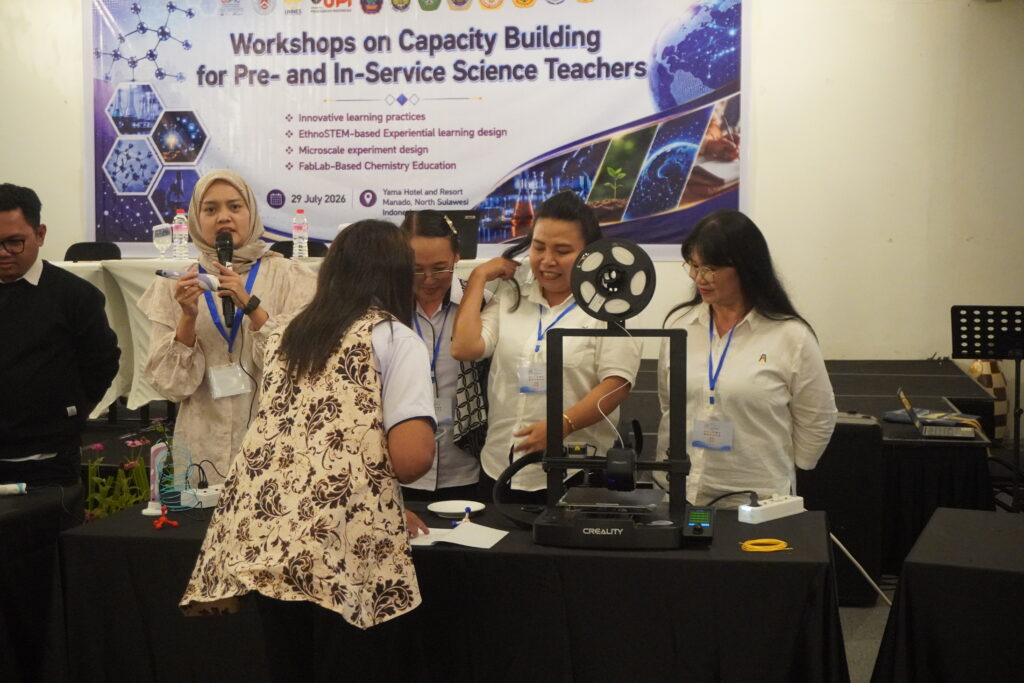
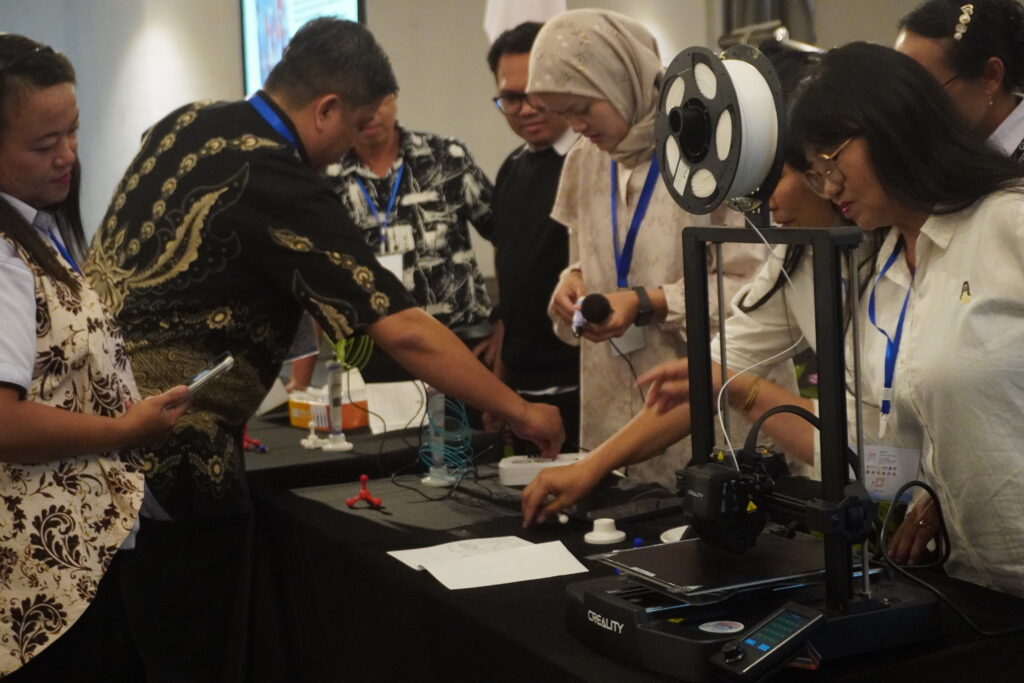
- Technology‑enhanced chemistry learning and digital fabrication
- EthnoSTEAM‑based instructional design for science classrooms
- Safe, affordable, and practical microscale chemistry experiments
- Pedagogical strengthening for pre‑service and in‑service teachers
- Best practices in science education from LUPIC partner universities
Participants engaged actively in discussions, hands‑on demonstrations, and collaborative practice sessions led by experts from Sogang University and other LUPIC partner institutions. The enthusiasm shown by teachers and students highlighted the strong need for sustained professional development in science education across North Sulawesi.
The workshop is expected to contribute significantly to improving the quality of chemistry and science teaching in schools, enhancing teacher competencies, and expanding academic collaboration between UNIMA and its national and international partners.