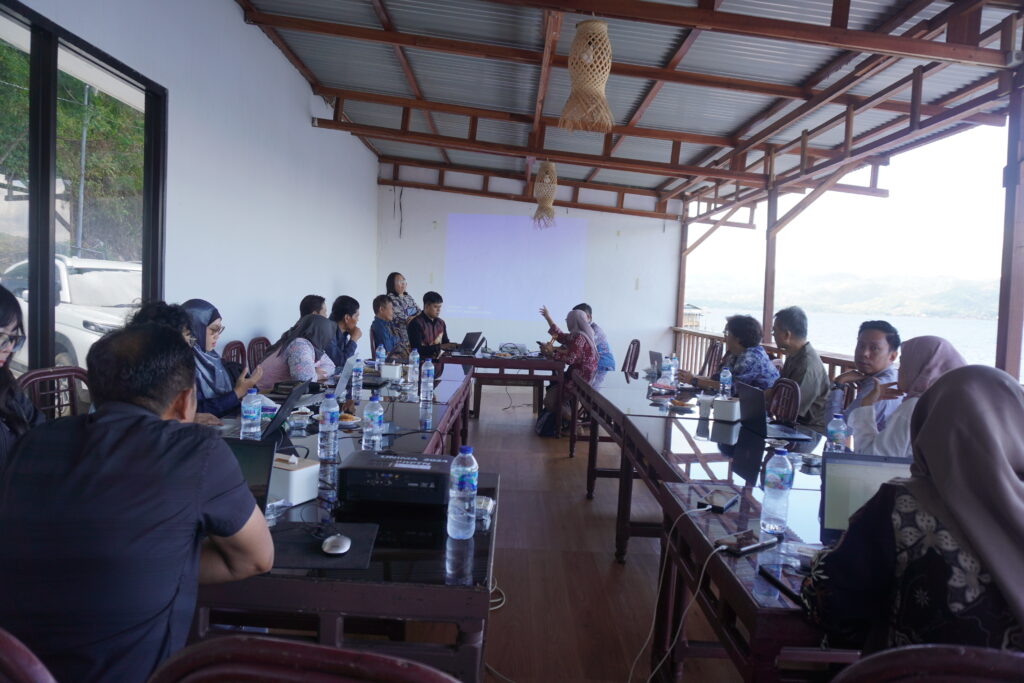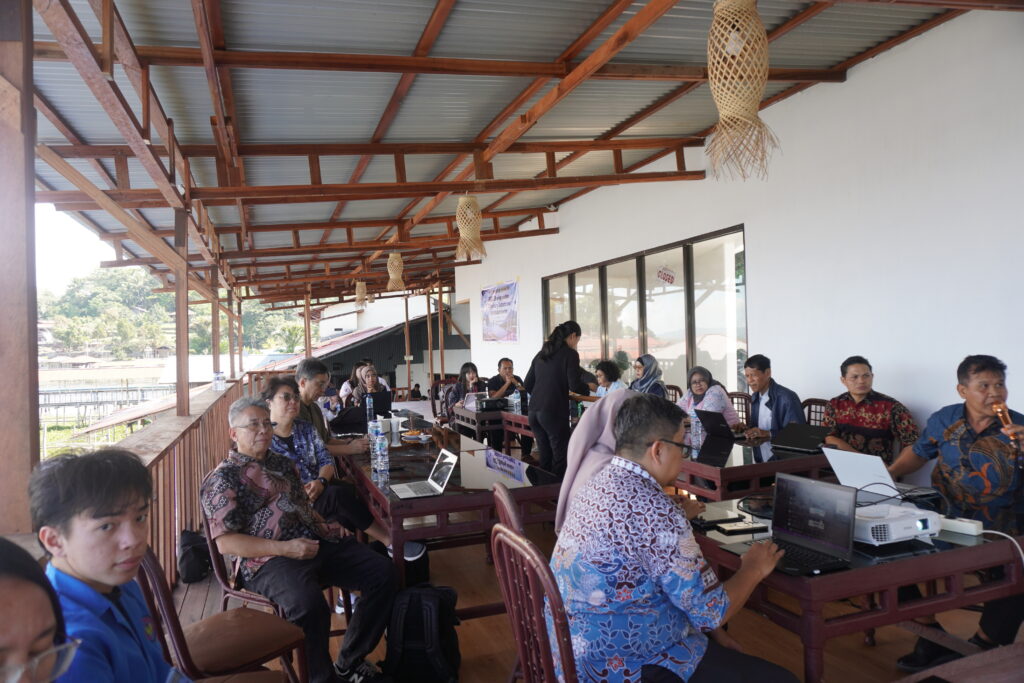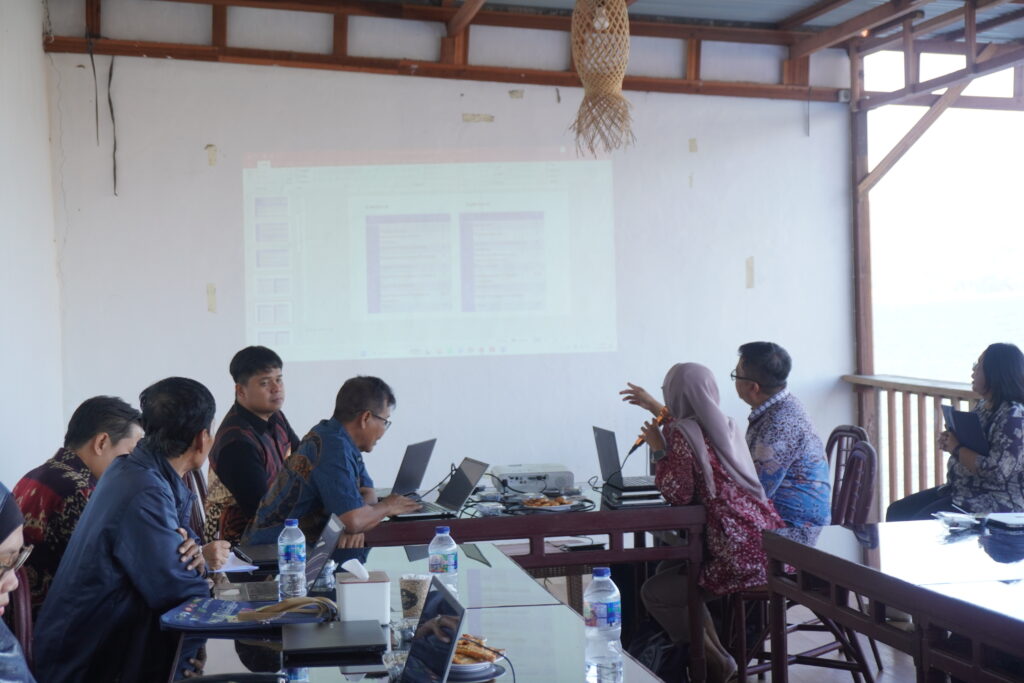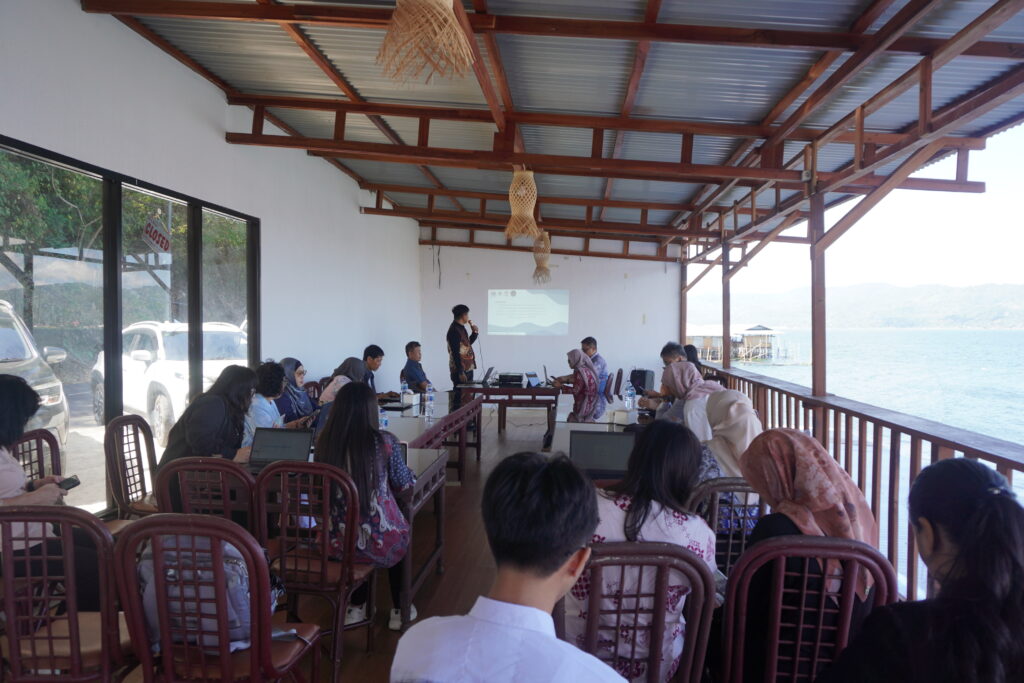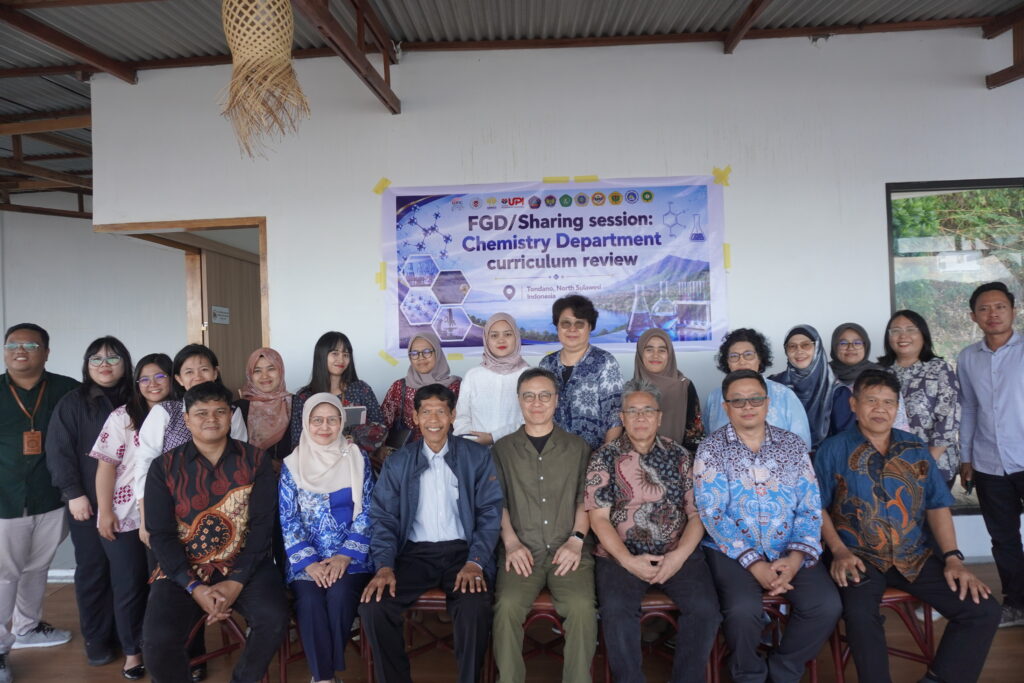
Tondano, 28 July 2026 — The Department of Chemistry at Universitas Negeri Manado (UNIMA) convened a Curriculum Forum Group Discussion (FGD) as part of its ongoing efforts to strengthen and refine a competency‑based curriculum aligned with the demands of 21st‑century chemistry education. The session featured expert speakers from partner universities of the Leading University Project for International Cooperation (LUPIC), bringing international perspectives to curriculum development at UNIMA.
The FGD was held as one of the key academic activities during the LUPIC program hosted at UNIMA 28 July 2026. Distinguished speakers joined from Sogang University (South Korea), Universitas Negeri Semarang, Universitas Pendidikan Indonesia, Universitas Pendidikan Ganesha, Universitas Maritim Raja Ali, Universitas Negeri Lampung, Universitas Mataram, and Universitas Nusa Cendana.
In his opening remarks, Dr. Anderson Aloanis, M.Si, Chair of the Chemistry Department, emphasized that the FGD represents an important milestone in ensuring that the department’s curriculum remains relevant, future‑oriented, and responsive to scientific advancements and industry needs. He highlighted that collaboration with LUPIC partners enriches the department’s academic vision and provides strategic insights for designing a globally competitive chemistry curriculum.
During the discussion, LUPIC experts presented key topics including global trends in chemistry education, technology integration in teaching and learning, strengthening undergraduate research, and the implementation of Outcome‑Based Education (OBE) models adopted by partner universities. The session was highly interactive, with UNIMA lecturers engaging in detailed discussions on curriculum structure, learning outcomes, and implementation strategies at the program level.
The FGD marks a strategic step for UNIMA in enhancing academic quality and expanding international collaboration. Insights gathered from the discussion will serve as a foundation for refining the Chemistry Department’s curriculum to better equip graduates with strong scientific competencies, innovative thinking, and readiness to contribute at national and global levels.