The Department of Chemistry, Faculty of Mathematics, Natural Sciences, and Earth Sciences (FMIPAK), Universitas Negeri Manado is committed to contributing to the achievement of the Sustainable Development Goals (SDGs). Through excellence in education, research, and community engagement, the department actively supports SDG 1 (No Poverty), SDG 4 (Quality Education), and SDG 17 (Partnerships for the Goals)
SDG 1 : No Poverty
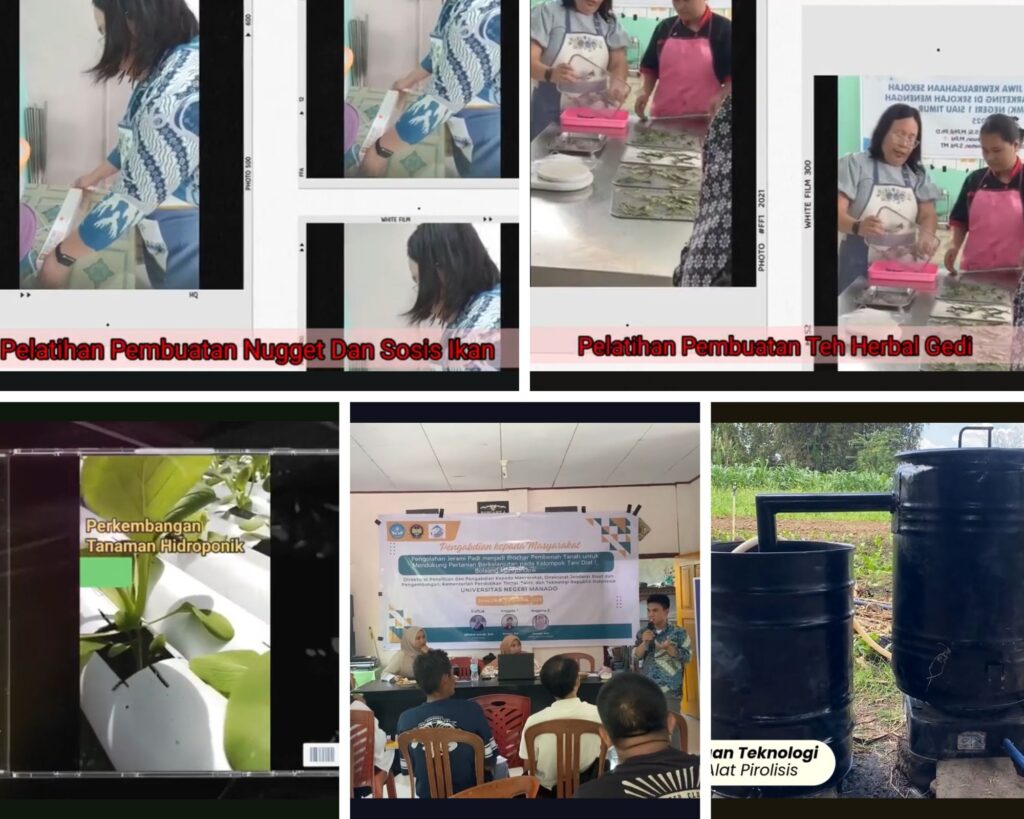
The Department of Chemistry contributes to poverty reduction through science-based innovation and sustainable community empowerment.
Our research initiatives emphasize the utilization of local natural resources in North Sulawesi to develop value-added products such as organic fertilizers, environmentally friendly materials, and applied chemical technologies. These innovations create economic opportunities, support small and medium enterprises (SMEs), and enhance community productivity.
Through structured community service programs, faculty members and students provide training, technical assistance, and appropriate technology solutions to promote economic independence and sustainable livelihoods.
SDG 4 : Quality Education
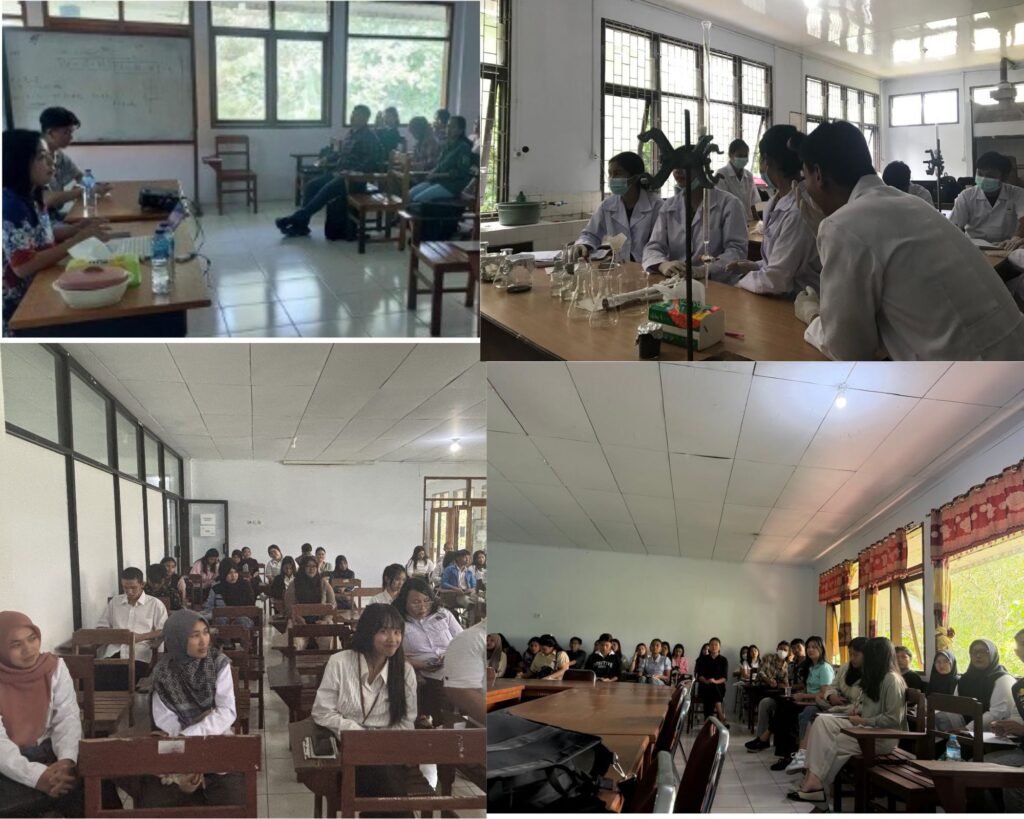
As part of a leading educational institution, the Department of Chemistry is dedicated to delivering inclusive and high-quality science education.
We implement a competency-based curriculum supported by laboratory-intensive learning, research integration, and innovative teaching methodologies. Our academic programs are designed to develop critical thinking, analytical skills, and scientific integrity among students.
In alignment with UNIMA’s educational mission, the department also prepares professional and competent chemistry educators who contribute to strengthening science education at regional and national levels.
SDG 17 : Partnerships for the Goals
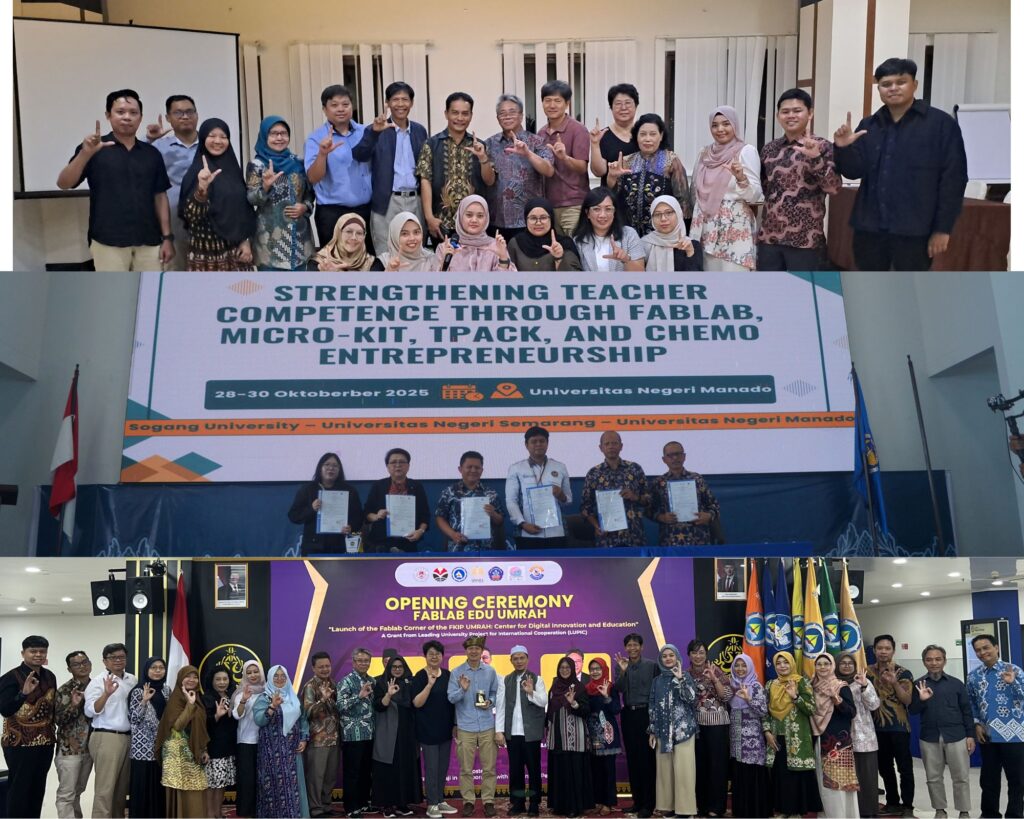
Collaboration is fundamental to achieving sustainable development. The Department of Chemistry actively builds strategic partnerships with universities, research institutions, industries, and government agencies.
These partnerships include joint research, scientific publications, environmental and material analysis services, and community-based development programs. Through collaborative engagement, the department contributes scientific expertise to address environmental, industrial, and societal challenges.