North Minahasa, 3 August 2026
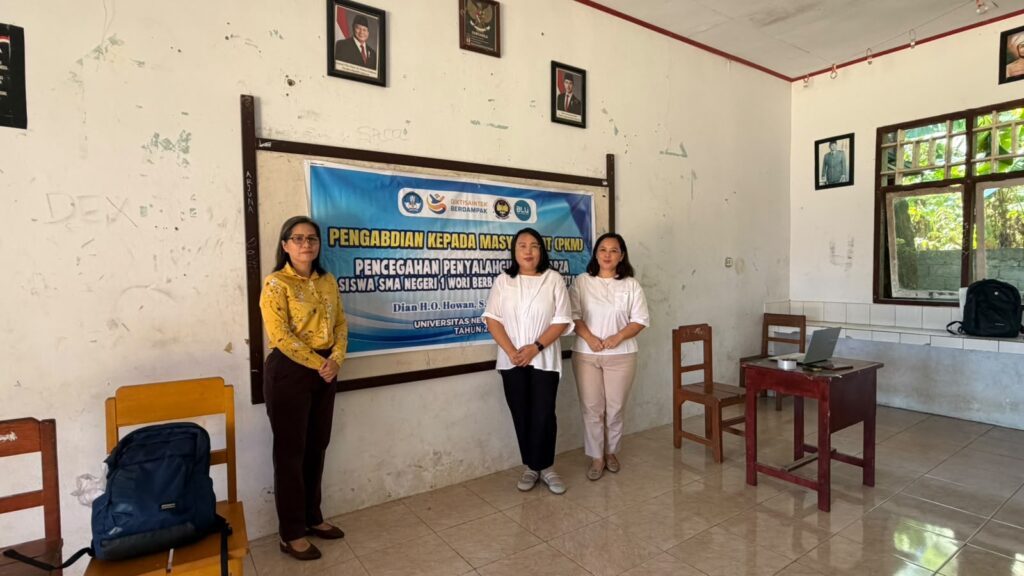
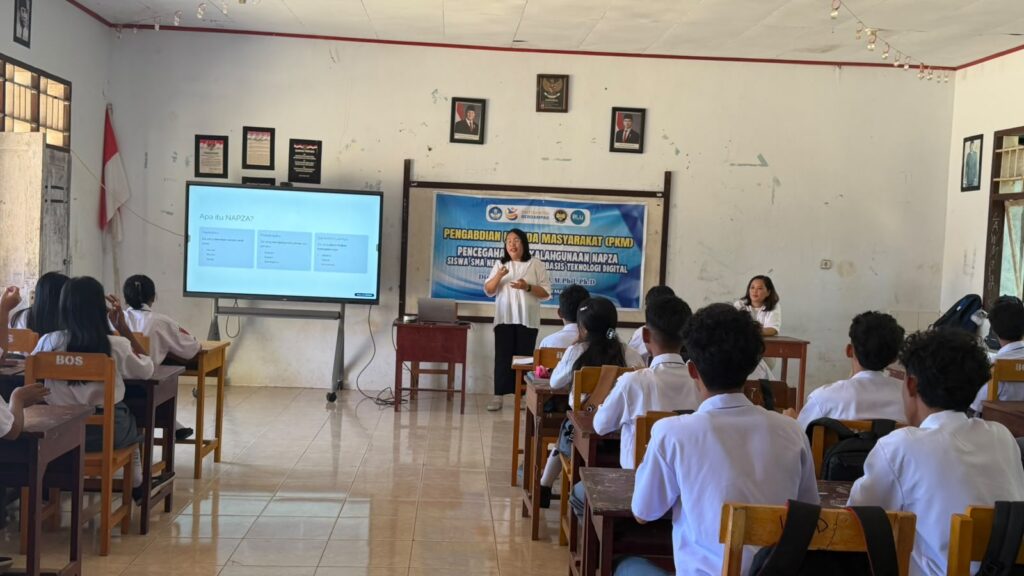
A lecturer from Manado State University (Unima) carried out a Community Service Program (PkM) at SMA Negeri 1 Wori, North Minahasa Regency, on Monday, 3 August 2026. The activity, themed “Digital‑Based Prevention of Drug Abuse among Students of SMA Negeri 1 Wori,” aimed to enhance students’ knowledge and awareness regarding the dangers of narcotics, psychotropic substances, and other addictive substances (NAPZA).
This program is part of a PkM initiative proposed by Dian Herlinda Octorina Howan, M.Phil., Ph.D., a lecturer at Manado State University, with SMA Negeri 1 Wori serving as the partner institution. The proposal outlines an interactive outreach program that integrates education, digital technology, knowledge assessment, and mentoring to build awareness on drug abuse prevention among high school students.
Equipping Young People with Knowledge about NAPZA
SMA Negeri 1 Wori was selected as the partner school due to the importance of strengthening educational support for youth in Wori District. The PkM proposal notes that SMA Negeri 1 Wori is the only senior high school in the district, with approximately 150 tenth‑grade students. The school also has students who excel in sports and the arts.
Through this activity, students were taught that drug abuse is not only a legal issue but also poses serious risks to health, brain development, academic performance, social relationships, and the future of young people.
The main presentation, titled “NAPZA: A Real Threat to Your Future,” covered key topics including the introduction to NAPZA, reasons adolescents are vulnerable to drug abuse, the effects of drugs on the brain, physical health impacts, psychological and social consequences, addiction, and strategies for resisting peer pressure.
Understanding NAPZA and Its Impact on Adolescents
In the introductory session, students learned about the three major categories of substances discussed: narcotics, psychotropic substances, and other addictive substances. Examples included heroin, morphine, marijuana, ecstasy, cocaine, amphetamines, alcohol, cigarettes, and inhalants.
The material then focused on why adolescents require special attention in prevention efforts. The presentation highlighted several factors, including ongoing brain development, identity exploration, peer pressure, academic stress, and family issues.
Students were also guided to understand how drug abuse affects brain function, including decision‑making, memory, concentration, and emotional regulation. The material explained the potential physical, psychological, and social impacts of drug misuse.
Not Just a Lecture, but Interactive Learning
A key feature of this PkM activity was the use of digital technology as a learning medium. As outlined in the proposal, the program was designed using an interactive outreach approach and blended learning with technological integration.
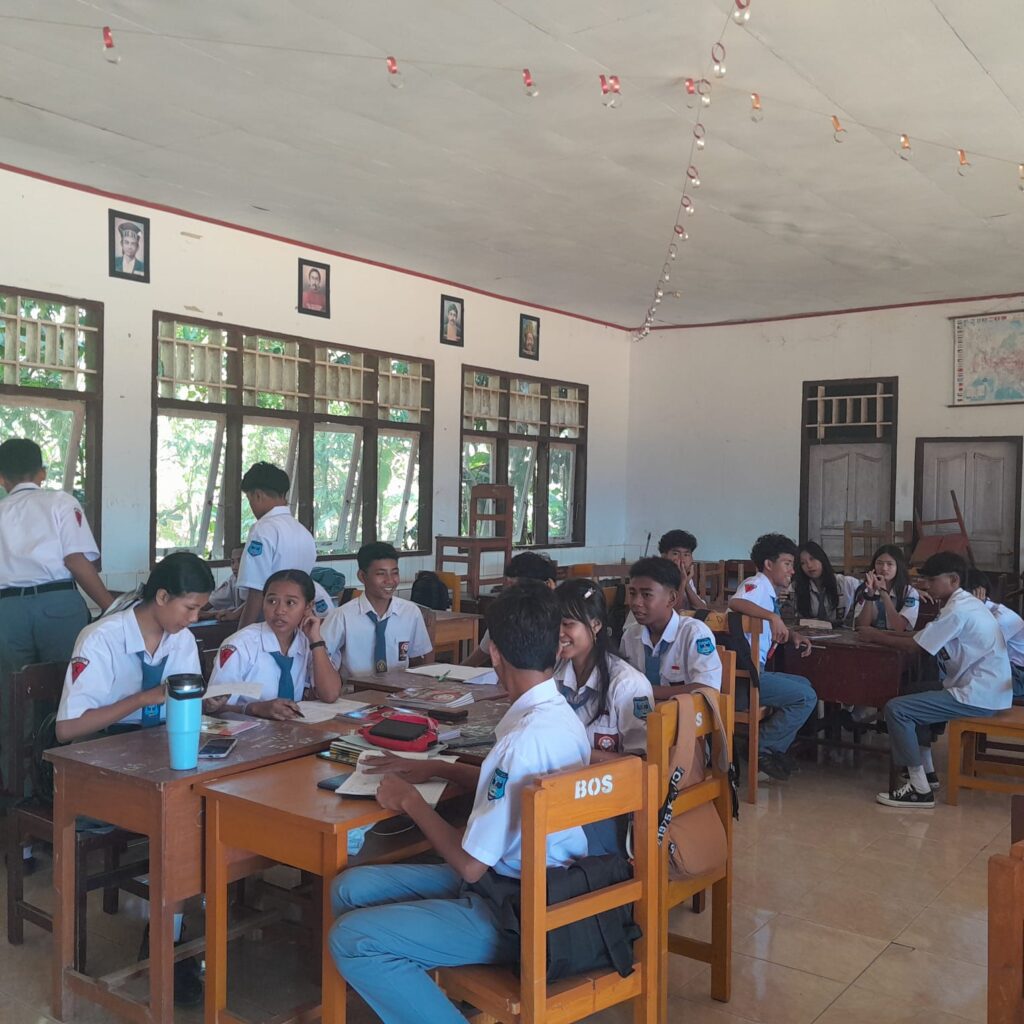
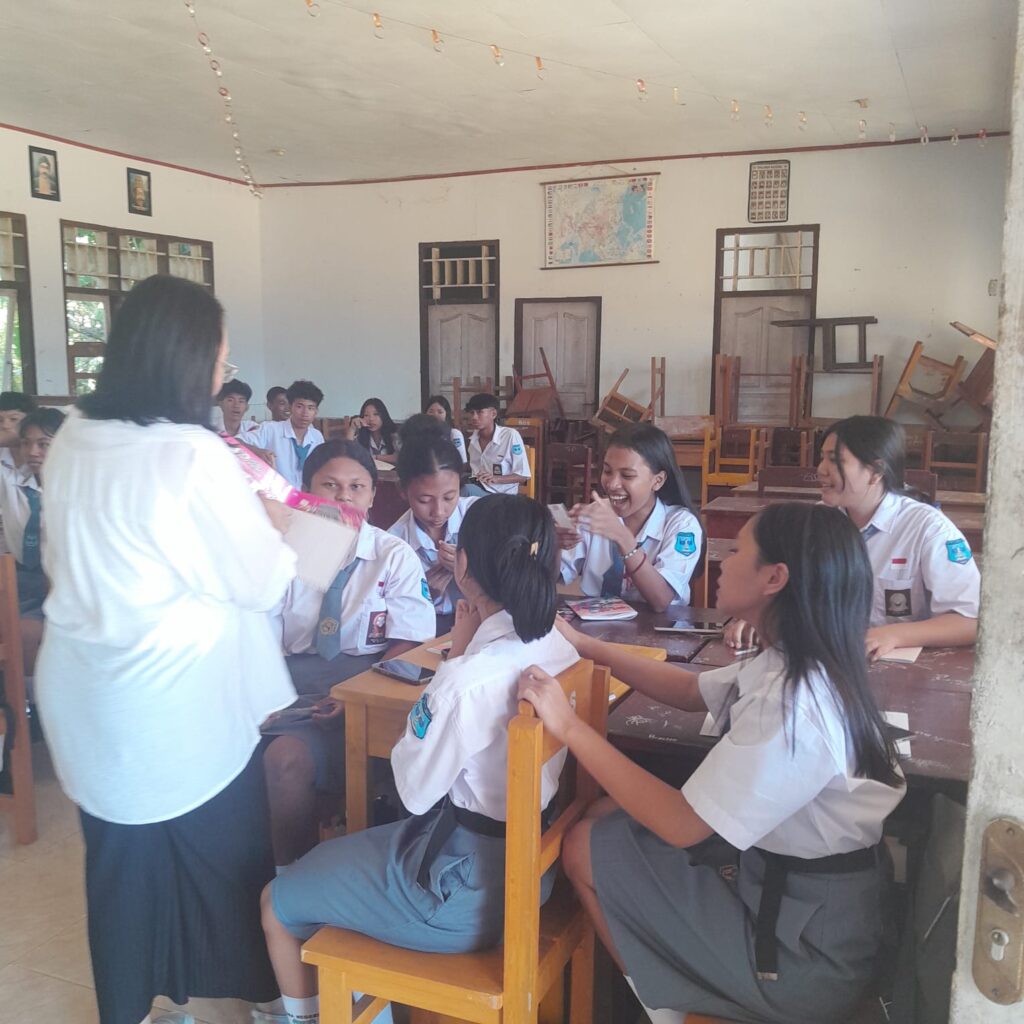
After receiving the material, students participated in an interactive educational quiz using the Baamboozle platform. The quiz served as a learning strategy to ensure students were not only listening but also actively engaging with and recalling information about NAPZA.
The quiz could be accessed through:
NAPZA Educational Quiz – Baamboozle
The use of digital educational games created a more engaging learning atmosphere and provided students with an opportunity to test their understanding after the outreach session.
Building the Courage to Say No
Another important message of the activity was empowering students to confidently refuse drug‑related invitations. The material offered simple strategies such as being firm and clear when saying no, avoiding risky situations, and choosing positive peer environments.
Students were also encouraged to care for their peers. The material helped them recognize behavioral changes, physical signs, and unusual actions that may indicate someone needs help. In such situations, students were advised to express their concerns to trusted adults such as teachers, parents, or school counselors.
This approach positions drug prevention not only as an individual responsibility but also as a collective effort within peer groups and the school environment.
Strengthening Schools as Prevention Environments
The PkM program also emphasized the role of schools as key partners in sustaining prevention efforts. The proposal outlines SMA Negeri 1 Wori’s involvement throughout the program cycle to ensure drug prevention initiatives can be continuously internalized within the school and the coastal community of Wori.
The activity did not end with the delivery of material. The program design includes monitoring and evaluation to assess students’ basic understanding and changes following the outreach. Sustainability is planned through continued communication and follow‑up visits between the PkM team and the school.
Students’ Future as the Core Message
At the end of the outreach, students were encouraged to view drug prevention as part of safeguarding their future. The presentation concluded with a message emphasizing that students have the power and choice to make decisions that will shape their lives.
Students were also introduced to several support channels, including guidance counselors, parents, school counselors, and services provided by the National Narcotics Agency (BNN), which were listed in the presentation.
The PkM activity at SMA Negeri 1 Wori is expected to strengthen students’ literacy on NAPZA and foster preventive attitudes within the school environment. By combining outreach, digital technology, and educational games, the program represents a meaningful contribution from higher education institutions in supporting health education and character development among young people.
This program aligns with the PkM design that prioritizes improving students’ knowledge and integrating digital technology into drug abuse prevention education.
The message carried from SMA Negeri 1 Wori is simple yet essential: recognize the dangers of NAPZA, be brave to refuse, remind one another, and safeguard the future together.